
Keeping Your Website Healthy After Launch
Launch day is the start of a website's life, not the end of the work. A simple routine keeps it fast, safe and useful.
Planning
SETA Everyone Team · · 2 min read

You do not need a detailed specification to talk to an agency, but a little preparation goes a long way. It gets you a more accurate quote, and it makes the first conversation about your business rather than about the basics.
"We want a new website" describes a thing. "We want more enquiries from companies in our city" describes a result, and a good team can work backwards from it. If you can name what success looks like, every later decision becomes easier.
Describe your typical customer. What do they want to know before contacting you? What makes them hesitate? Your sales calls and customer emails are full of useful answers.
Split your ideas into what you need on launch day and what can come later. This keeps the first phase focused, and it gives you an easy way to adjust the scope if the budget is tight.
Pick a few websites you admire and write one line on what works for you. It could be the layout, the tone or how quickly you found what you needed. The reason is often more useful than the example.
Find out who controls your domain, hosting and email. Tracking down a forgotten login can hold up a launch for days, so it is better to find it now. Make sure these accounts are in your company's name.
Sharing a budget range is not giving away your negotiating position. It helps an agency suggest what is achievable, instead of proposing something you cannot use. If you have a real deadline, mention it and explain why it matters.
Choose one person who gathers feedback and has the final say. Projects slow down most when opinions arrive from several directions and no one can settle them.
Got most of this ready? Take a look at our services or send us an enquiry, and we will take it from there. Don't worry if you have gaps, because working through them together is part of the job.
Launch day is the start of a website's life, not the end of the work. A simple routine keeps it fast, safe and useful.
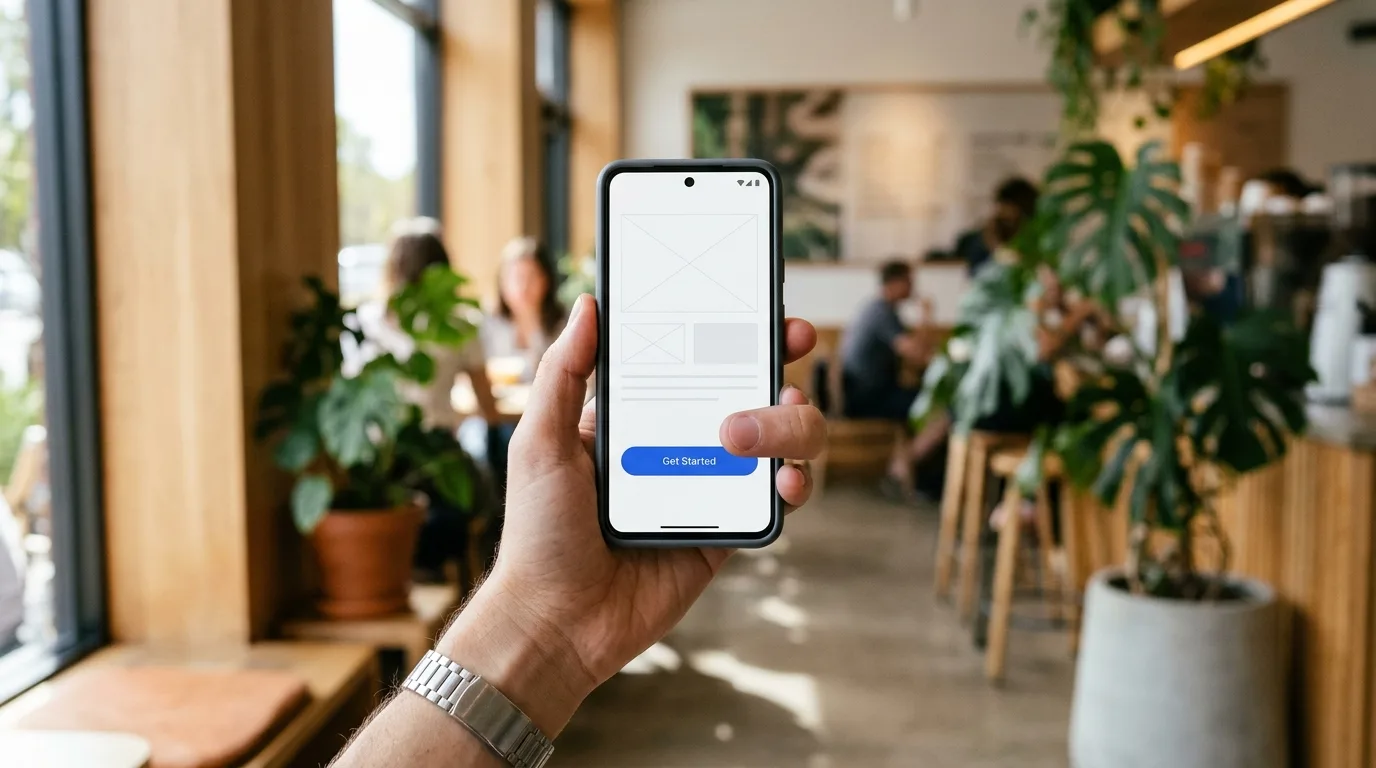
User experience is not about decoration. It decides whether people can finish what they came to do, and that shows up in your business.

You do not need tricks to be found on Google. Most small businesses gain more from getting a handful of fundamentals right.
Tell us about your project and we'll get back to you as soon as we can.